
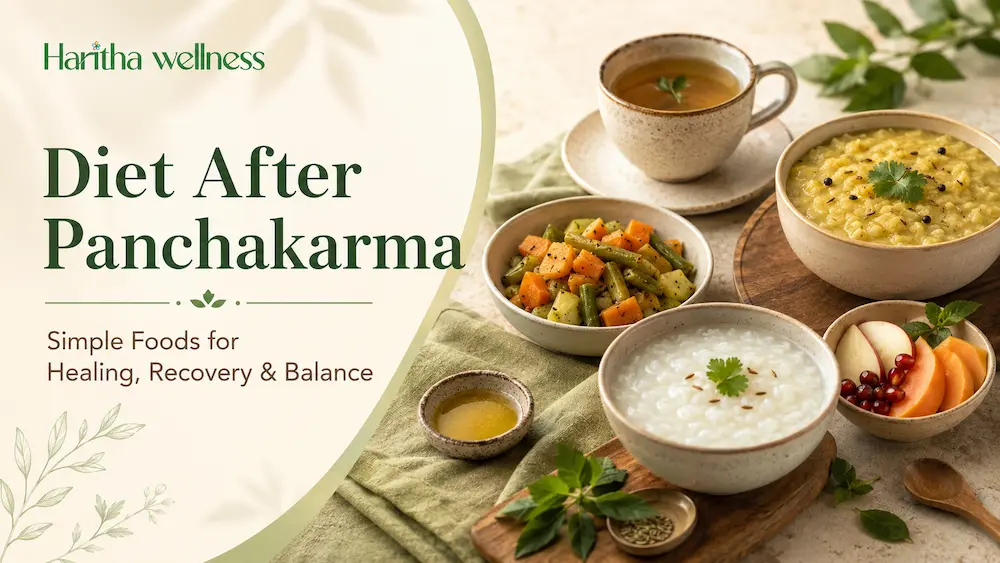
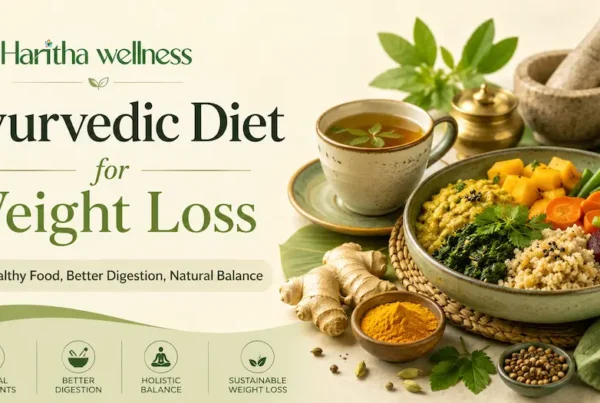
A diet after Panchakarma treatment usually begins with warm, freshly cooked, and easy-to-digest foods. Thin rice porridge, soft khichdi, moong dal soup, cooked vegetables, and warm water may be introduced gradually. Fried, processed, very spicy, cold, or heavy foods are normally avoided until digestion becomes stronger. Your Ayurvedic doctor should decide the exact diet based on the treatment you received, your digestion, and your health condition.
A Simple Recovery Guide
Finishing Panchakarma does not signify the end of the healing process. What one consumes after the treatments is crucial in the healing process.
While performing Panchakarma, you may find that your digestive system will become extra sensitive during some of the processes. Going back to your previous habits, such as eating at restaurants, steamy dishes, cold drinks, and oily foods may lead to discomfort. Thus, Ayurvedic practitioners recommend gradual adjustment to the normal diet.
The after Panchakarma diet usually contains simple, warm, freshly prepared meals that are easy for the body to digest. Food is slowly changed as your appetite, strength, and digestion improve.
At Haritha Wellness, the recommendations related to food following the treatment are tailor-made to suit the health condition of the client, his/her bodily constitution, therapies performed, and requirements related to recovery.
What Does “Diet After Panchakarma” Mean?
People searching for a diet after Panchakarma meaning usually want to know what they should eat once the cleansing procedures are completed.
In simple words, it means:
Slowly restarting normal food with light, warm, freshly cooked meals so the digestive system can recover comfortably.
In Ayurveda, this gradual food routine is commonly called Samsarjana Krama. The National Institute of Ayurveda recognises this as part of post-Panchakarma care and notes that the number of stages should depend on the person’s digestive strength and physical condition.
It is not a crash diet, fasting plan, or one menu for everyone. The exact food plan can change according to:
- The type and intensity of Panchakarma
- Your digestion and appetite
- Your strength and age
- Your health condition
- Your doctor’s assessment
- The season and local climate
Why Is Diet Important After Panchakarma Detox?
The purpose of the diet after Panchakarma detox is to avoid placing a sudden burden on digestion.
Traditional post-treatment food plans may help by:
- Allowing digestion to recover gradually
- Reducing heaviness, gas, and bloating
- Helping the body tolerate normal meals again
- Supporting hydration and energy
- Continuing the healthy routine started during treatment
The diet should progress slowly instead of moving directly from light therapeutic food to oily, spicy, or processed meals. The reference articles consistently recommend warm, soft, simple food during the first stage of recovery.
Readers who want to understand the treatment first can read our complete guide to the benefits of Panchakarma therapy.
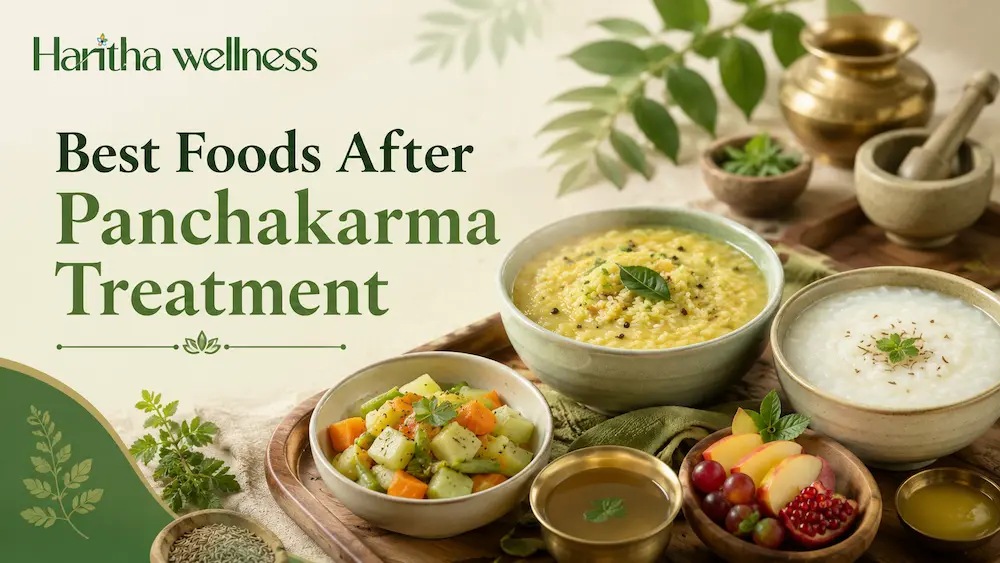
Best Foods After Panchakarma Treatment
Most of these foods are commonly used in Panchakarma post-treatment diets, however they may not suit every person. Always follow the dietary instructions from your Ayurvedic doctor.
1. Thin Rice Porridge
Thin rice porridge, traditionally known as Peya, is light and easy to consume. It is commonly used during the first stage when the digestive system is not ready for solid or heavy food.
It may be prepared with:
- Well-cooked rice
- Extra water
- Very mild seasoning
- A small amount of doctor-approved fat, if advised
2. Thicker Rice Gruel
As digestion improves, the thin porridge may be changed to a slightly thicker consistency, traditionally called Vilepi.
This stage gives the body more nourishment without immediately moving to a full meal.
3. Moong Dal Soup
Thin moong dal soup, sometimes referred to as Yusha, is commonly included because it is softer and lighter than many heavy pulses.
Keep it:
- Well cooked
- Mildly seasoned
- Low in oil
- Free from heavy masala
4. Soft Khichdi
Soft khichdi made with rice and moong dal is one of the most common foods after Panchakarma treatment.
It should normally be:
- Freshly prepared
- Soft in texture
- Warm, not very hot
- Mildly seasoned
- Easy to chew and digest
Do not automatically add large amounts of ghee, chilli, pickle, or fried toppings. Follow the amount recommended by your doctor.
5. Well-Cooked Vegetables
Soft, cooked vegetables may be added gradually.
Examples can include:
- Bottle gourd
- Ridge gourd
- Pumpkin
- Carrot
- Ash gourd
- Other seasonal vegetables recommended by your doctor
Raw salads may be harder to digest during the early recovery stage, so cooked food is often preferred.
6. Light Vegetable Soup
A mild vegetable soup can provide warmth and hydration. Avoid cream, packaged soup powders, excess salt, and strong spices.
7. Warm Water
Warm or room-temperature water is often preferred during post-treatment care. Sip it according to your thirst instead of forcing excessive quantities.
8. Mild Herbal Drinks
There are some people who may recommend a moderate beverage made of cumin, coriander, fennel or ginger. It should not be assumed that herbal drinks will suit everyone, especially the people who are having some medicines or are affected by a serious disease. Always use only what has been recommended by your treating physician.
How to Return to Normal Food After Panchakarma
A gradual plan may look like this:
| Recovery stage | Foods commonly introduced |
| First stage | Thin rice porridge, warm liquids |
| Second stage | Thicker rice gruel, thin moong soup |
| Third stage | Soft khichdi and well-cooked vegetables |
| Fourth stage | Simple homemade rice, dal and vegetables |
| Final stage | Normal balanced meals, as advised |
The pace of the progress depends on how hungry you are, if you have a bowel movement, your energy level, and how your doctor perceives your condition. It is stated clearly in official Panchakarma procedures that the food stages must be determined not according to a particular fixed scheme but according to the strength of the digestion process and total strength of the person who undergoes the process.
Sample One-Day After Panchakarma Diet
This is only a general example. Do not use it as a replacement for your personalised plan.
Early morning
Warm water as advised by your doctor.
Breakfast
Thin rice porridge or soft rice gruel.
Mid-morning
Warm water or a mild doctor-approved herbal drink.
Lunch
Soft moong dal khichdi with one well-cooked seasonal vegetable.
Evening
Thin vegetable soup or moong dal soup.
Dinner
A smaller portion of soft khichdi, rice gruel, or soup.
Try to finish dinner early and avoid overeating. Eat only when you feel a natural appetite.
Foods to Avoid After Panchakarma
According to the guidelines of the National Institute of Ayurveda, it is good to keep away from heavy, cold, very fatty, very dry,thick, stale and fast foods after the treatment.
Common foods to avoid include:
- Fried snacks
- Fast food
- Packaged and processed food
- Very spicy curries
- Heavy restaurant meals
- Stale or refrigerated leftovers
- Cold drinks
- Excess sweets and sugar
- Bakery products
- Alcohol
- Smoking
- Excess coffee or strong tea
- Heavy meat preparations
- Very oily pickles and chutneys
Certain liquids and ingredients like milk, yogurt, fruits, raw vegetables, buttermilk and some spices may be approved for some people and banned for others. You cannot just look for generic lists on the internet.
Should Everyone Follow the Same Post-Panchakarma Diet?
No. The ideal diet can differ depending on the treatment and the individual.
For example, the plan after Virechana may not be the same as the plan after Nasya, Basti, or a milder residential wellness program. Your doctor may also change the diet if you have:
- Diabetes
- Kidney or liver problems
- Food allergies
- Digestive disorders
- Pregnancy
- Low body weight
- High blood pressure
- Regular prescription medicines
Haritha Wellness offers personalised Panchakarma therapy based on a doctor’s assessment instead of using the same program for every guest.
How Long Should You Follow the After Panchakarma Diet?
There is no single duration for everyone.
Some people may follow a special diet for only a few days. Others may require a gradual plan for a longer period. It depends on:
- The Panchakarma procedure
- The strength of the cleansing
- Your digestion
- Your appetite and energy
- Your medical condition
- Your doctor’s instructions
Do not return to heavy meals simply because you feel hungry or energetic. Move to the next stage only when your treating doctor says your digestion is ready.
Lifestyle Tips After Panchakarma
Food is only one part of post-treatment care.
Get Enough Rest
Keep a regular sleeping routine. Avoid late nights and excessive work immediately after intensive treatment.
Start Activity Slowly
Avoid strenuous exercise, running, heavy gym workouts, and long journeys during the early recovery stage. Gentle walking or Yoga may be introduced when your doctor allows it.
Keep Meals Fresh
Try to eat freshly cooked meals at regular times. Avoid skipping meals, overeating, and frequent snacking.
Reduce Stress
A calm routine, meditation, breathing exercises, and reduced screen time may support the recovery period.
Avoid Alcohol and Smoking
Alcohol and smoking can interfere with a healthy recovery routine and should be avoided.
The post-treatment recommendations reviewed also emphasise warm meals, regular sleep, gentle activity, warm fluids, and avoiding excess stimulation.
When Should You Contact Your Doctor?
Contact your treating doctor if you experience:
- Persistent vomiting
- Severe diarrhoea
- Signs of dehydration
- Strong abdominal pain
- Dizziness or fainting
- Severe weakness
- Fever
- Inability to eat or drink
- Symptoms that are becoming worse
Official Panchakarma protocols recognise dehydration and other complications as situations that require proper monitoring and management.
Therapeutic Food at Haritha Wellness
At Haritha Wellness, food is planned as part of the wellness program rather than treated as a separate service. Meals are prepared using seasonal, plant-based ingredients and are customised according to body constitution, health goals, and lifestyle needs.
Guests undergoing Panchakarma can receive guidance on:
- What to eat during recovery
- Meal quantity and timing
- Suitable grains and vegetables
- Foods to reduce or avoid
- Gradual return to a normal diet
- Long-term eating habits
Learn more about Therapeutic Food at Haritha Wellness.
Conclusion
The right diet after Panchakarma treatment helps you return to normal eating in a careful and comfortable way. Begin with simple, warm, freshly cooked foods and slowly introduce heavier meals as your digestion becomes stronger.
Do not blindly follow a strict diet listed online without consulting an expert. It is always recommended to get Panchakarma procedure and the diet after it done by a qualified Ayurvedic physician. There is not enough supporting evidence for this traditional science and it does not provide a substitute for traditional medicine.
For doctor-guided Panchakarma and personalised therapeutic food near Hyderabad, book a consultation with Haritha Wellness or contact the wellness team.
Frequently Asked Questions
What is the meaning of diet after Panchakarma?
The diet after Panchakarma meaning is a gradual return to normal food after treatment. It usually begins with light, warm, easy-to-digest meals and progresses according to your digestion and doctor’s advice.
What are the best foods after Panchakarma treatment?
Common choices include rice porridge, soft khichdi, thin moong dal soup, cooked vegetables, light soups, and warm water. Your exact diet should be personalised.
Can I eat normal food immediately after Panchakarma?
Usually, heavy normal meals are not introduced immediately after intensive cleansing. Food is commonly reintroduced in stages so digestion is not overloaded.
Can I drink coffee after Panchakarma?
It is usually better to avoid or reduce coffee during the early recovery period. Ask your doctor when it can be reintroduced.
Can I eat fruits after Panchakarma?
It depends on your digestion, treatment type, and the fruit. Some doctors may recommend selected ripe or cooked fruits later in recovery, while others may delay them.
Can I eat curd or drink buttermilk?
Do not assume that curd or buttermilk is suitable. Your doctor will decide based on your digestion, dosha assessment, season, and medical condition.
Can I eat spicy food after Panchakarma?
Very spicy food is normally avoided during early recovery because it may cause digestive discomfort.
How long should I follow the Panchakarma recovery diet?
The duration varies from person to person. Follow the plan until your doctor confirms that your appetite, digestion, strength, and bowel movements have returned to normal.
Can I exercise after Panchakarma?
Avoid intense exercise immediately after strong cleansing procedures. Gentle movement may be introduced gradually with your doctor’s permission.
Is the after Panchakarma diet the same for everyone?
No. Ayurvedic post-treatment care is personalised according to the procedure, digestion, body constitution, strength, age, and health condition.

One Comment