
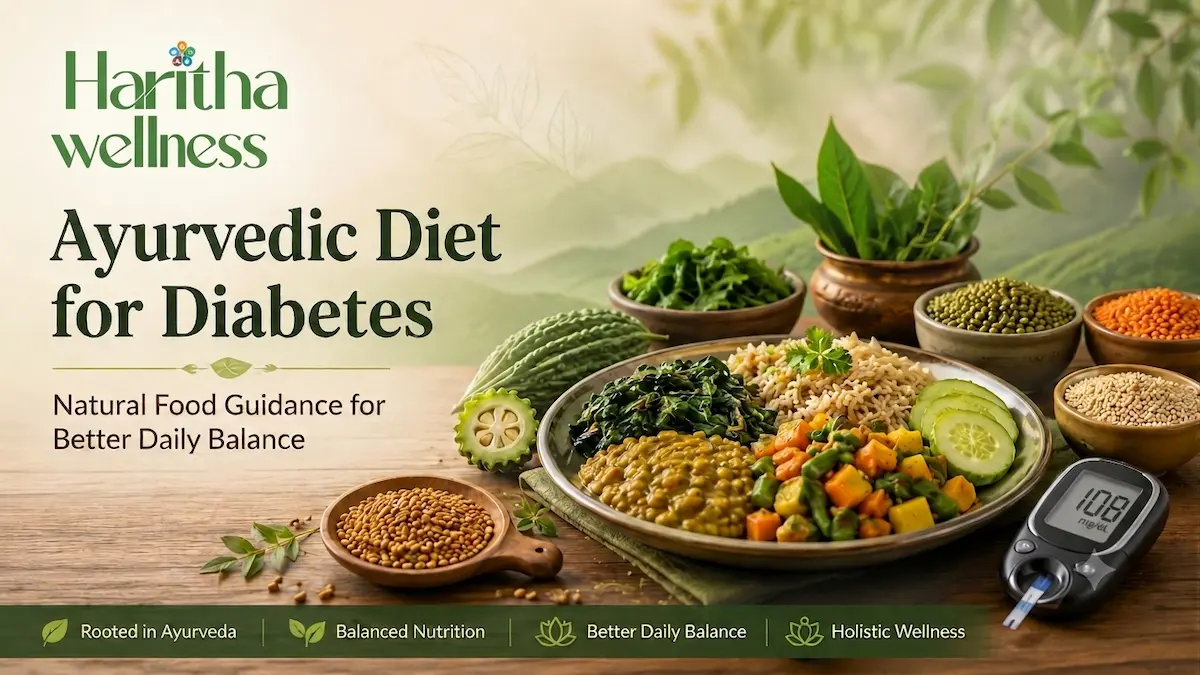
An Ayurvedic diet for diabetes generally focuses on vegetables, fibre rich foods, suitable protein, controlled portions of whole grains and regular meal habits. Traditional ingredients such as methi and bitter gourd may be included as foods, but diet should support not replace prescribed diabetes treatment and glucose monitoring.
People living with diabetes may have a different perspective on eating habits. It’s not simply a matter of minimizing sweets in the diet, but rather understanding how portion sizes, the type of carbohydrates, meal timing, physical exercises and glucose behavior after eating can affect total well-being.
Ayurveda recommends several methods of following a balanced meal plan introducing healthy dietary patterns throughout the day and using fresh foods. But, Ayurveda should not replace the medications or insulin treatment of people with diabetes using it regularly and appropriately.
In addition, there is no universal diet suitable for everyone with diabetes. Factors related to the person’s medications, activity level, body weight, renal status, etc. should be taken into account while deciding what/how much to eat.
How Ayurveda Looks at Diabetes and Food
Diabetes-like conditions are traditionally discussed in Ayurveda under Prameha, with Madhumeha being one of the commonly referenced terms.
Ayurveda takes into account more than just food. It includes eating habits, digestion, exercise, sleep, and daily routine.
For someone with diabetes, the ancient Ayurvedic principles are more beneficial when combined with important contemporary data such as blood glucose level, HbA1c, medicines, activity, and state of health.
The result is a more applicable Ayurveda approach to diet for diabetes than just using standardized diets based on body types.
What Should an Ayurvedic Diet for Diabetes Focus On?
It is not necessary to find a miracle food to have a good diet for diabetes. Meals can be created with vegetables, enough protein and carbohydrates containing fiber in the correct quantities as well as foods which are minimally processed. Usage of sugar drinks, sweets, and foods which have undergone thorough refining may be restricted.
One may need to bear in mind the following parameters for Ayurvedic meal planning: freshness of food, method of preparation, digestive capacity of the food, and regularity of food in take.
Ayurvedic Foods That Can Fit Into a Diabetes-Friendly Diet
Many familiar Indian foods can be incorporated into a balanced diabetes meal pattern.
- Leafy greens, gourds, beans, cabbage, cauliflower and other non-starchy vegetables
- Moong dal, lentils, chickpeas and other pulses
- Barley, millets, oats and whole grains in suitable portions
- Nuts and seeds in moderate quantities
- Traditional ingredients such as methi, turmeric, ginger and bitter gourd used as part of regular meals
The important point is portion size.
A food being traditional, natural or high in fibre does not mean unlimited quantities will have no effect on glucose levels.
Are Millets and Whole Grains Good for Diabetes?
Millets and whole grains can provide more fibre than heavily refined grains and may fit well into a balanced meal.
But replacing white rice with a very large serving of millet does not automatically make the meal healthier for diabetes.
Grains still provide carbohydrates.
A moderate serving combined with vegetables and protein may be more appropriate than a grain-heavy meal. Individual glucose responses can also vary.
Haritha Wellness’s guide to continuous glucose monitoring explains how glucose patterns can be observed throughout the day.
Bitter Gourd and Fenugreek: Food or Medicine?
Both karela and methi are most commonly connected with the traditional diets of diabetes.
Bitter melon can be consumed as a vegetable while fenugreek seeds and leaves are widely used in Indian cooking.
The big difference between using these items as foods and using them as treatments for diabetes lies in their form.
Exhausted powders or juices or herbal remedies might function differently from the normal food amounts especially for the people already following treatment with the help of glucose-lowering drugs.
Because of this, there should be no claims that certain substances can eliminate the diabetes.
Meal Timing Matters Too
Choosing what to eat is just one facet of planning meals.
For some, having meals at fairly standard times makes it simple to track their daily activities or glucose levels. However, there is not one schedule that applies to all people.
Meal timing is dependent on factors such as medications taken, insulin, job obligations, exercise, and sleep.
Some people have to pay special attention to avoiding missed or postponed meals if they are taking medications that can cause low glucose.
Instead of copying a timetable off the internet, meal timing should be based on a person’s treatment and lifestyle requirements.
How to Build a Simple Diabetes-Friendly Indian Meal
A meal that is friendlier to those suffering from diabetes does not have to be different from a meal enjoyed by other family members.
Even a regular lunch can be planned in a way that most of the plate consists of vegetables, followed by a healthy serving of protein, in the form of dal, legumes or paneer, and limited rice, millet or roti on the side.
Such an approach may be considered much more sensible than focusing just on foods that can and cannot be eaten.
Very often, people attach great importance to avoiding sugar, while forgetting about the total amount of carbohydrates coming from various other sources like rice, bread or snacks.
That is especially true when it comes to the size of the portion consumed.
Can Ayurveda Help With Blood Sugar Management?
Diet, movement, adequate sleep, weight management where appropriate and stress reduction can all contribute to overall diabetes management.
Ayurveda may provide a framework for improving these daily habits.
However, treatment decisions should still be based on actual glucose readings, HbA1c and medical assessment.
For a broader explanation of Ayurvedic lifestyle and supportive care for diabetes, read Ayurveda for Diabetes.
Should Ayurvedic Medicines Be Taken for Diabetes?
Diet and Ayurvedic medicines should not be treated as the same thing.
An Ayurvedic diet for diabetes is primarily about food and lifestyle. Herbal formulations involve another level of assessment and should not simply be copied from an online article or another person’s prescription.
This is particularly important for someone already using insulin or glucose-lowering medicines.
The broader topic of Ayurveda-based diabetes care is covered separately on the Ayurveda for Diabetes page, which helps keep this article focused specifically on food.
Where Does Panchakarma Fit?
Panchakarma is sometimes discussed in connection with diabetes, but it is not part of a standard diabetes diet.
Its suitability depends on the person’s glucose control, medicines, age, health status and other medical conditions.
For readers researching this area, Haritha Wellness has a dedicated guide on Panchakarma for Diabetes.
Keeping Panchakarma on its own page also prevents unnecessary overlap between topics.
Why Individual Food Responses Matter
Two individuals may consume the same meal yet have differing glucose responses.
Factors such as portion size, food combinations, exercise, sleep, and time of day can all impact how one’s body reacts after eating.
Consequently, glucose monitoring becomes imperative not for classifying the foods eaten as either “good” or “bad” but rather figuring the overall trends of glucose levels.
The trends can then be used in consultation with a healthcare provider to adjust one’s diet accordingly.
Therapeutic Food and Personalised Nutrition at Haritha Wellness
At Haritha Wellness, nutrition can be approached as one part of a wider wellness plan rather than as a temporary restrictive diet.
Food guidance may consider existing eating habits, digestive comfort, physical activity, medical conditions and personal wellness goals.
Haritha Wellness’s Therapeutic Food and Diet & Nutrition services provide more information about this personalised approach.
The objective is not to create fear around food but to help people build healthier routines they can maintain alongside appropriate diabetes care.
Final Thoughts
An Ayurvedic diet for diabetes does not need to revolve around miracle foods, strict restrictions or complicated recipes.
A more sustainable approach is to emphasise minimally processed foods, vegetables, protein, sensible carbohydrate portions and regular meal habits while paying attention to how the body responds.
Ayurveda can contribute by looking at food together with digestion, activity, sleep and daily routine. Glucose monitoring adds objective information that can help guide those choices.
For personalised food and lifestyle guidance, readers can book a consultation with Haritha Wellness.
Frequently Asked Questions
What are some Ayurvedic foods recommended for diabetics?
Vegetables, leafy greens, gourds, lentils, pulses and suitable portions of whole grains can fit into a diabetes-friendly eating pattern. Ingredients such as methi, turmeric and bitter gourd may also be used as ordinary foods. Overall portions and individual glucose responses remain more important than any single ingredient.
What are the 5 superfoods for diabetics?
There are no five foods that can control diabetes by themselves. A more useful approach is to regularly include non-starchy vegetables, pulses or other protein foods, fibre-rich carbohydrates in controlled portions, nuts or seeds in moderation and minimally processed foods.
What is the best Ayurvedic drink for diabetes?
There is no Ayurvedic drink proven to cure diabetes. Water and other unsweetened beverages are sensible everyday choices. Concentrated herbal drinks should be used cautiously, particularly by people taking glucose-lowering medicines.
Can I stop diabetes medicine after changing my diet?
Diabetes medicines or insulin should not be stopped simply because food habits improve or glucose readings look better. Any medicine adjustment should be discussed with the healthcare professional managing the person’s diabetes.